
The Mistake Almost Everyone Makes
Most homeowners assume their garage door is secure simply because it's closed. It looks solid, it's heavy, and the opener clicks shut every time you leave. That sense of security is exactly the problem. A closed door is not the same as a locked door, and most automatic garage doors have zero locking mechanism engaged day to day — the opener motor is the only thing holding it down. That's convenient, which is why almost nobody disables it, but it also means the door can be defeated without a single tool more sophisticated than a stiff wire.
How Burglars Actually Get In
Garage break-ins rarely involve dramatic force. They involve a handful of well-known, low-effort tricks that work because most doors are set up exactly the way they came from the factory.
- The coat hanger / fish-wire trick: On older doors, there's a gap at the top where a bent wire can be slid through, hooked around the emergency release cord, and pulled to disconnect the opener. The door then lifts by hand in seconds. This works on garages with no shield over the release mechanism.
- Forcing a weak or worn track: Doors with loose rollers, bent tracks, or old hardware can be pried up from the bottom with a pry bar faster than you'd think, especially if the opener's force settings are weak or the springs are already failing and not holding tension properly.
- Code grabbers and old remotes: Older fixed-code openers (pre-rolling-code) can be cloned with inexpensive electronics. If your opener is more than 15 years old, this is a real risk, not a theoretical one.
- The unlocked side door: Many garages have a walk-in side door that's far less secure than the house's front door — sometimes it's a basic knob lock or no lock at all. Once inside the garage, a burglar has privacy to work on the interior door into the house.
- The opener left in the car: A garage door opener clipped to a visor or left in a cupholder turns a car break-in in a driveway or parking lot into a house break-in. This happens more than people expect, especially with keypad-free remotes that don't require a code.
Why Fall and Winter Make This Worse
As the weather turns in Oakland County, garages get used differently. Doors get left open longer while people load firewood, salt, or holiday decorations in and out. Storm doors and side entries get propped for ventilation while running snow blowers or vehicles. Early darkness means more of this activity happens at dusk, when visibility into a garage is lower from the street but a burglar watching the house has an easier time waiting for the door to be left unattended.
Habits That Close the Gaps
- Never leave the door open and unattended, even for five minutes while unloading groceries or warming up a vehicle.
- Keep the opener off the visor. Use a keychain remote or a keypad-only entry instead of leaving a remote in the car.
- Lock the side door with a real deadbolt, not just a knob lock, and make sure the door frame is solid enough to resist a kick.
- Don't leave a spare house key in the garage. It's one of the first places people check if they get inside.
- Keep garage windows covered so the contents — tools, bikes, a second vehicle — aren't visible from the driveway or street.
Hardware That Actually Stops the Coat Hanger Trick and Similar Attacks
- Emergency release shield: A simple plastic or metal guard installed over the release cord blocks a wire from reaching it through the top gap. This is inexpensive and solves the single most common break-in method on older doors.
- Rolling code opener: If your opener is original to an older house or more than a decade old, upgrading to a rolling-code system (standard on most openers made in the last 10-15 years) makes code grabbers useless.
- A physical slide lock or deadbolt on the track: Many doors can have a manual slide lock added that bolts the door to the track when you're away for extended periods, like a winter trip.
- Vacation mode or smart opener lockout: Many newer opener systems let you disable remote access entirely while away, so no signal — cloned or otherwise — can open the door.
- Well-maintained springs and rollers: A door that operates smoothly on properly tensioned springs is also a door that resists being forced up by hand. Worn-out springs aren't just an inconvenience; they're a security weak point.
When to Call Pontiac Garage Door
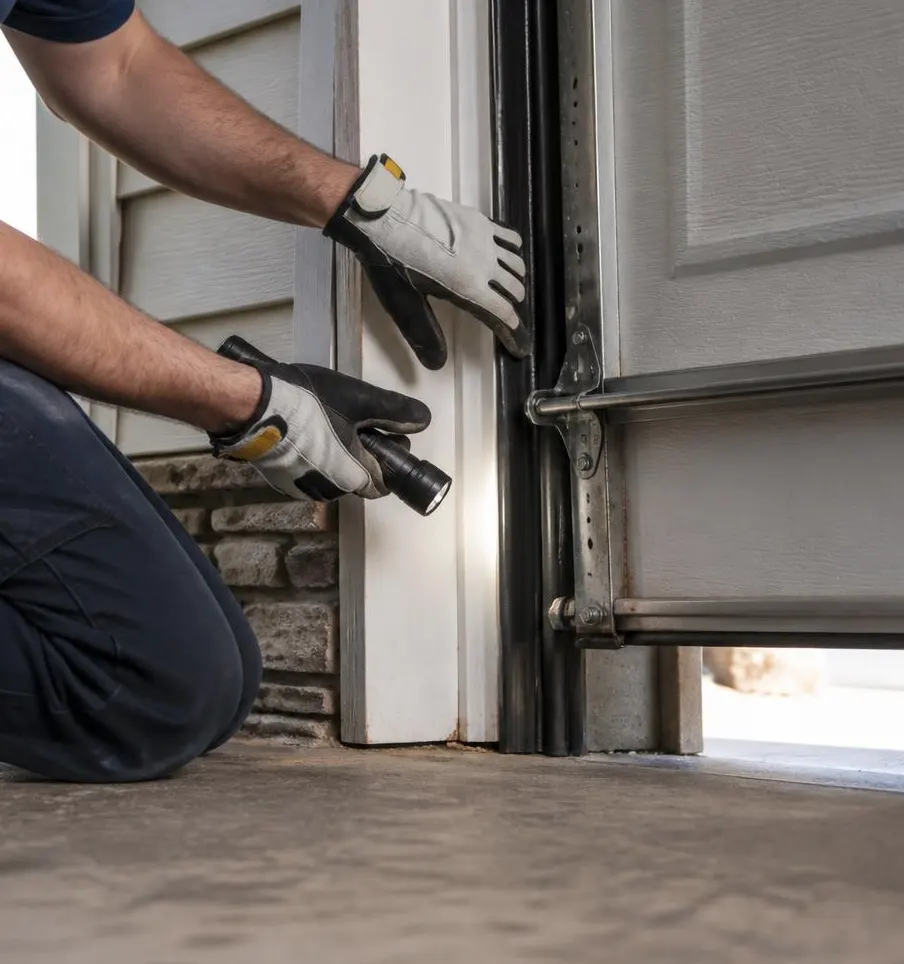
If your opener predates rolling codes, if the emergency release isn't shielded, or if the door feels easy to lift by hand when disconnected, those are signs it's time for a proper security check rather than a DIY patch. Pontiac Garage Door handles garage door opener repair and installation for homeowners who want a rolling-code system and smart lockout features, and our garage door maintenance service covers spring tension, roller wear, and track alignment — the physical factors that determine whether a door can be forced open by hand. We'll walk through what we find in plain language and show you exactly where the gaps are before we recommend anything.
If you're in Pontiac, Waterford, Auburn Hills, Lake Orion, Bloomfield Hills, West Bloomfield, Clarkston, or Rochester Hills and want your garage door checked before winter sets in, call Pontiac Garage Door today for a straightforward inspection and honest advice.